Practical methods
How do we train our minds?
In the Mindful Business Network, we focus on meditation methods that can be easily applied to economic contexts.
Therefore, we concentrate on the "pure practice" and avoid cultural or religious connotations as much as possible. We do this not because we dislike such rituals, but to increase our accessibility to our generally non-Buddhist environment.
We share what works on a mental level. Our aim is not to spread Buddhist ideas, but to share proven methods of mental training that speak for themselves through regular practice.

Calligraphy
May I penetrate the Dharma through deep contemplation.


Deep exchange
May I open my heart and learn to share what is essential in community.


We desire a different form of communication and exchange.
Deep exchange is a time when we can share our experiences, joys, difficulties, and questions about practice.
By listening deeply to the person sharing, we create a calm and receptive atmosphere.
By sharing our difficulties and joys on the path of practice, we contribute to the learning process of the entire group.

Deep listening
May I listen without judgment and quiet my inner parallel discourse.


Every speaker is only as good as their listeners. Without inner openness, there is no learning.
The quality of our listening has a significant influence on what the other person says and what they don't say.
Negative and critical thinking silences our conversation partners and fuels fear and aggression.
Positive thinking and an open mind foster our connection and allow us to share more essential things.
Over time, we recognize the quality of our communication more and more clearly. By deepening our own listening skills, we will eventually find opportunities to introduce deeper listening into our work environments. What would change if we listened more deeply in our meetings, on the phone, or in conversations?

Deep relaxation
May I learn to let my body and mind rest deeply.


What our world lacks on all levels is relaxation.
Relaxation begins in our own bodies.
A relaxed body brings forth a relaxed mind. A relaxed mind helps our body not to tense up so easily.
Deep relaxation is an exercise in letting go. It allows the body to regain a natural balance and heals it where needed.
We lie on our backs, become aware of individual muscle groups, and consciously relax them. A person or a CD can guide us through this.
We release our mind from its usual worries and preoccupations and feel the pleasant effect of a relaxed body on our mind. We recognize how feelings and impulses arise, rise, and disappear again in our body and mind.
The ability to deeply relax supports us enormously in our daily work and is an important tool for our meditation practice.
What would change if we could go through the workday with a relaxed body and mind?

Eating meditation
May I be aware of what and how I eat, and recognize when it is enough?

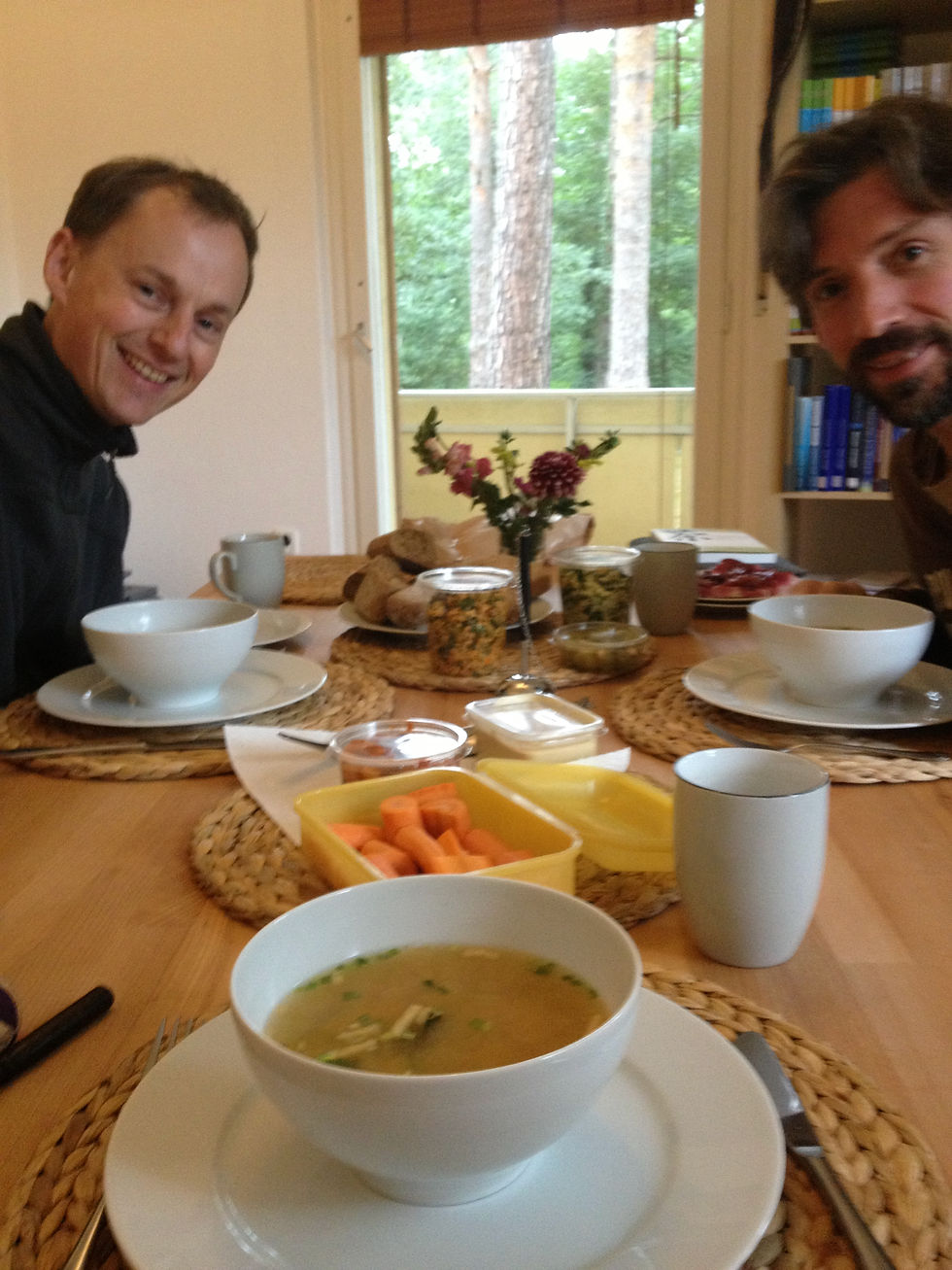

When we eat mindfully and in silence, we arrive at surprising insights.
Our body signals to us clearly: "That's enough!" Often we only need half our normal portion and are still satisfied.
We realize that we cannot find happiness or community in the refrigerator.
We gain a new capacity for enjoyment and appreciate our daily bread anew.
What would change, What if we just spent ten minutes eating in silence with our colleagues, consciously noticing and enjoying every bite?

Fasting
May I develop an awareness of what I truly need.


Metta meditation
May all beings be happy.


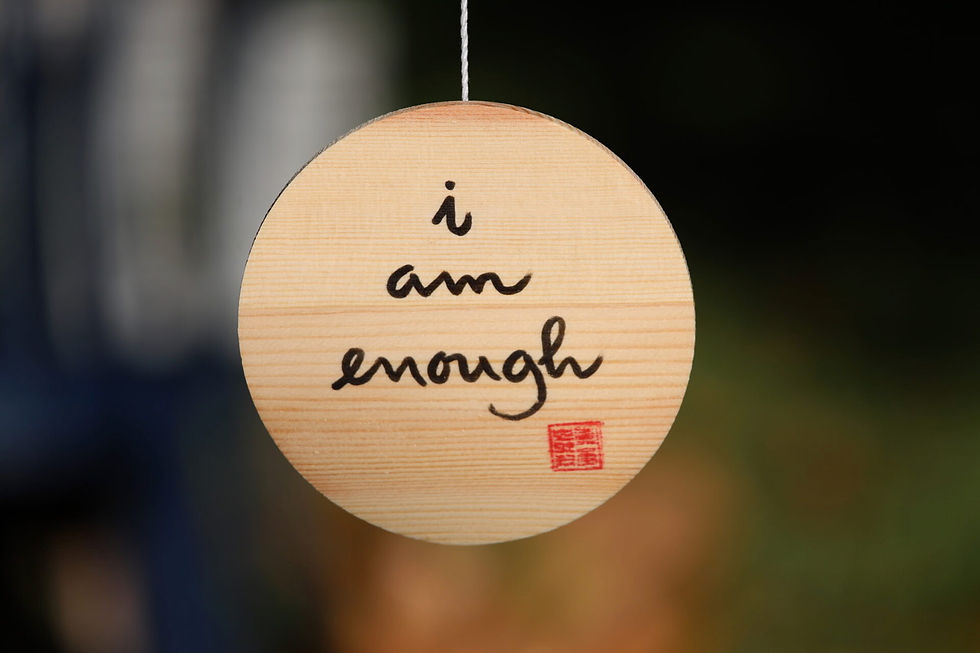
Practicing Metta meditation regularly imbues our minds with goodwill, and we radiate positive thoughts and wishes to our surroundings.
A company where all employees regularly practiced Metta meditation would have to deal with significantly fewer misunderstandings, conflicts, or cases of bullying.
Conscientiously practiced Metta meditation can be far more effective than expensive team-building seminars or coaching sessions.
What would change if we wished ourselves and others well every day and judged and condemned less?

Mindful breathing
May I maintain continuous contact with my breath and unite body and mind.


When we breathe mindfully, body and mind unite. Heart and mind, thinking and feeling find each other again.
We find peace and become clearer.
Breathlessness, haste, and restless thinking lead us and those around us astray.
Mindful breathing activates our body intelligence and gives us inner spaciousness.
We return to ourselves; we recognize what is happening right now.
Breath is a powerful life energy with which we can connect in every moment, and especially in difficult times.

Mindfulness bells
May I always pause and return to the present.


A = Breathe
L = Smile
I = Pause
Red lights, waiting times, church bells, and computer crashes—everything can remind us to take three deep breaths. We know ourselves best and can create a safety net by, for example, placing reminder markers on our cell phone, laptop, espresso machine, remote control, or credit card. This way, we can take a different direction with a smile.
What would change if we regularly practiced A-L-I in our workplace and in our activities?
XXX Experience report by two NAW activists with A-L-I (published in Intersein 2/2016)

Noble Silence
May I become acquainted with inner and outer silence.


Silence and stillness are not self-evident in our culture, but are associated with specific situations, awkward silence – embarrassed silence…
Many people feel uneasy when silence descends and turn on the television or make a phone call.
We can rediscover the power and beauty of noble silence and communal silence.
Meditation seminars, in which certain sections are spent in silence, offer such opportunities.
We experience the power of silence. Our mind finds peace.
Beyond words, a deep connection usually arises naturally.
We see that it is often our thoughts and words that separate us, and we experience a different form of communication.
Those who can be joyfully and peacefully silent together will also talk to each other differently.
Those who have attentively perceived a person beyond words will more easily recognize in them a kindred spirit, a brother or sister, and will not equate this person with opinions, positions, or outward appearances.
In silence, we return to ourselves. Returning from silence, we are more awake to all that is.
What would change if we integrated periods of silence into our daily work routine and allowed our thoughts to quiet down?

Sitting meditation
May I take space to tame and clarify my body and mind.


Sitting meditation is considered the royal road to mental training in many contemplative traditions for good reason.
Traditions.
In sitting meditation, we bring the body into an upright, relaxed, and stable position.
By "parking" the body, we can see the manifold movements of our mind more clearly. First, we calm our mind, then we look at it closely.
We see the interplay of thoughts, emotions, sensations, and perceptions. We recognize the transience of all phenomena and gradually gain insights into how we function as human beings on a deeper level. By understanding ourselves more deeply, we also understand others better. Seating meditation is one of the best investments we can make in our lives. It gives us insights that can resolve a wide range of conflicts, problems, worries, and false ideas at their root. What would change if we had the opportunity and space for quiet sitting in our workplaces?

Smile
May I be able to smile at my imperfections.


Consciously inviting a smile into our work can greatly transform it.
Let's give ourselves and others a smile!
A smile that invites us to laugh at ourselves, not to take ourselves too seriously.
A smile that can acknowledge our own mistakes.
A smile that can connect with our difficult emotions and signal attention and care to them.

Tea ceremony
May I be able to celebrate a joyful and unifying festival with simple ingredients.

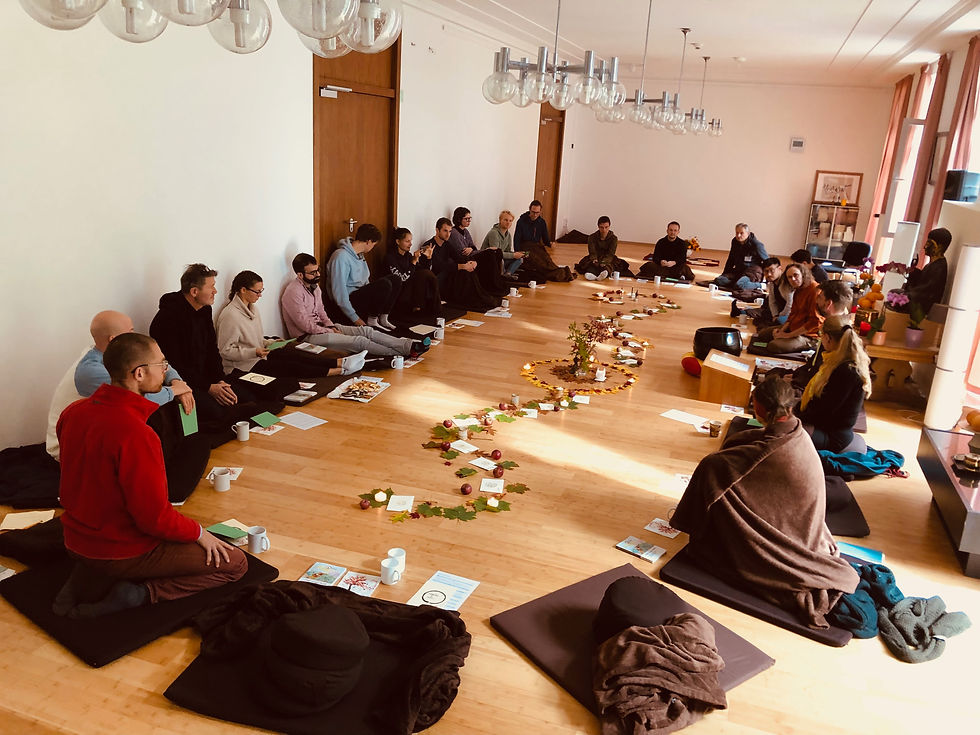
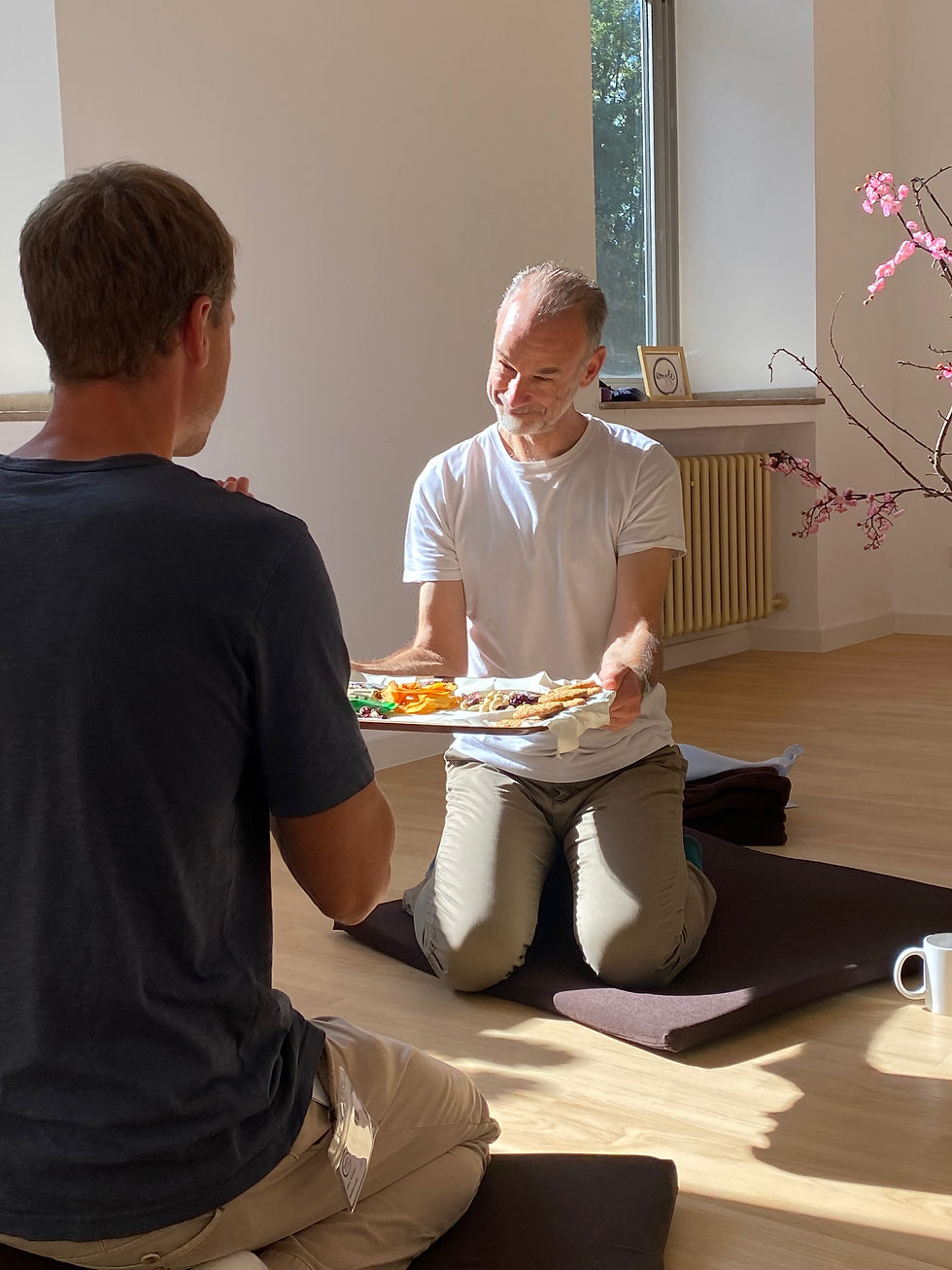
The tea ceremony provides us with a framework in which we can connect deeply. We share inspiring things from our lives or things that have touched us, that have helped us understand the world and ourselves more deeply, or that have strengthened us in everyday life.
Tea ceremonies are the place where we share poems, stories, songs, experiences, or games with one another. The framework is broad, and the most important ingredients are our mutual goodwill, our true presence, and the openness and joy of listening to each other.
Besides the biscuits and the tea, which we enjoy with concentration and mindfulness, it is these spiritual ingredients that connect us effortlessly. Experiencing such a tea ceremony can transform our understanding of community. We see what is possible when we come together with open hearts and share our joys and sorrows in a mindful setting. Tea ceremonies are simple celebrations that make the potential of true community tangible.

Walking meditation
May I not miss the small steps in my life and may I influence their quality.


XXX Report on our coordinated walking meditations through city centers during the Advent season
Watering flowers
May I see and express the healing qualities in others.


Often we only see the negative – in ourselves and others.
The practice of flower watering is a method of exercise in which we consciously and selectively name, express, and appreciate the healing seeds. Here, we remain focused on very concrete experiences. For example, we can say to another person: "When I came home yesterday, tense and angry, and immediately complained to you about this and that, you remained calm, made me some tea, and gave me a loving hug. That helped me a lot, and I saw the flowers of loving kindness, compassion, and stability blooming in you." The practice of watering flowers can become a powerful ritual in relationships, in which we express all that is "right" and wonderful about the other person. In a world that mostly focuses on flaws, shortcomings, and inadequacies, we offer a counterpoint and tell each other what is good and beautiful.
When we do this regularly, we open our eyes to beauty and help our minds step out of the ingrained focus on flaws.
Learning to name and express our own strengths and qualities can be an important step towards self-acceptance and self-love. We take the sword out of the hand of our inner critic.
The Mindful Business Commitment says: "May I smile at my imperfections." We know we are more than our shortcomings, and we should remind each other of that again and again.

Work meditation
May I gain a deeper understanding of my work habits and transform them in a healing way.


Rarely is our work just about the work itself.
We add a lot of extras to the task at hand. This can create tension, dissatisfaction, stress, and mistakes.
In work meditation, we remain in contact with our breath while performing the task. We regularly pause and concentrate fully on the task at hand. When we do something wholeheartedly, when we are completely present, joy arises all by itself. It is this unconditional joy that we so often miss in our daily work. We notice all the extras and smile at them. We see how responsible we are for the quality of our work and that even seemingly unpleasant things can bring us joy. We feel the Joy that arises from collaborative work and offers us an alternative to rivalry and competition.
What would change if we didn't burden our work with brooding, comparing, speculating, and evaluating, but instead focused entirely on the task at hand?
Support the
Network for Mindful Business e.V.
We are a non-profit organization that relies on donations to pursue its long-term goals. Donations are, for us, "warm money," often called "Dana" in Buddhist terminology. Dana represents giving freely and without ulterior motives to support beneficial causes. Dana is loving-kindness and goodwill, enabling the Buddha's wisdom teachings to flow powerfully onward.